Timothy Hay for Horses in Central Florida: A Direct-Source Buyer's Guide
On this page
- Where to buy timothy hay near me in Central Florida
- How to tell good timothy hay from the rest
- Why the cutting interval controls sugar
- First cut vs second cut timothy hay
- Is timothy hay good for your horse?
- The timothy hay we carry, and what it costs
- Timothy hay delivery near Ocala and Gainesville
- Frequently asked questions
- The bottom line
Trennis Ropp is a co-owner of Farmers Direct Hay and Feed in Williston, Florida, and a fifth-generation farmer. He ran the shipping and logistics side of the family hay business for years before he and Delmar took over the Williston store in September 2024. The family grows and cuts its own timothy on western farms before it ships to Florida.
If you are looking for timothy hay near you in Central Florida, the bale to buy is second-cut western timothy that is soft, deep green, and lab tested. The single thing that controls quality is the cutting interval: timothy grown on a longer schedule comes back leafier and lower in sugar. We grow ours in Nevada's high desert on roughly a 70-day interval, test every load, and deliver across Marion, Levy, Alachua, and Citrus counties from our Williston yard. Timothy runs about $38.50 to $44.50 per bale depending on the cut, with flat-rate delivery of $35 inside 25 miles (Ocala included) and $40 from 25 to 40 miles. Call (352) 528-1255 for current lot test results before you order.
If you are searching for timothy hay near me in Central Florida, the number that matters most is not the price on the bale. It is the cutting interval that produced it. Timothy cut on the right schedule comes out soft, green, and low in sugar, and horses eat it clean instead of sorting it onto the stall floor. Timothy cut on a rushed schedule can run high in sugar even when it looks fine. This guide walks through how to tell the two apart, what first cut versus second cut actually means for your horse, and what buying timothy near Ocala and Gainesville looks like, including current prices and how delivery works.
Where to buy timothy hay near me in Central Florida
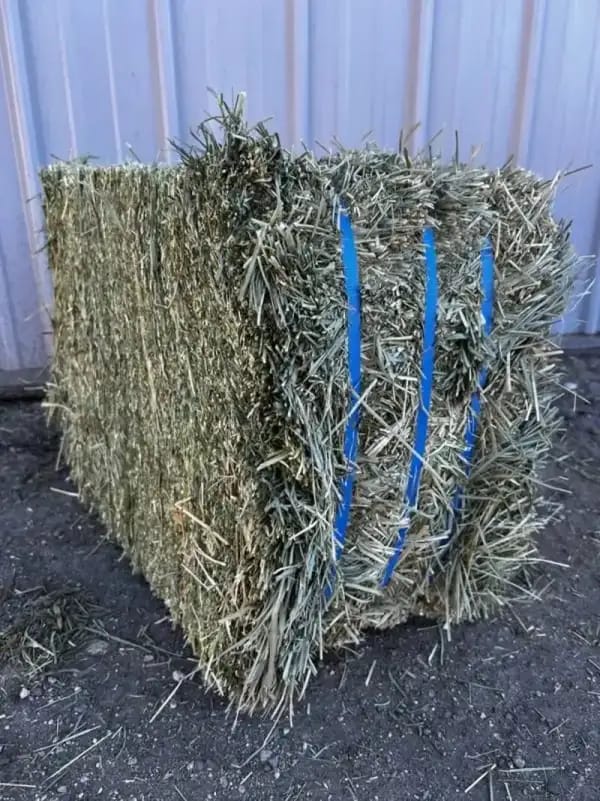
We are Farmers Direct Hay and Feed, on US Highway 27 in Williston, and we sell western-grown timothy by pickup at the yard or delivered to your farm. Our Williston location puts most of horse country, from Ocala up to Gainesville and out to Dunnellon, inside a short delivery run. We grow our own timothy on the family's Nevada farms, haul it to Florida, and pull an Equi-Analytical lab test on every load so you can see the sugar and protein numbers before you feed it. Timothy runs about $38.50 to $44.50 per bale depending on the cut. Delivery is flat-rate by zone, and pickup is open six days a week. If you want the short version, that is it. The rest of this guide is how to judge what you are buying.
How to tell good timothy hay from the rest
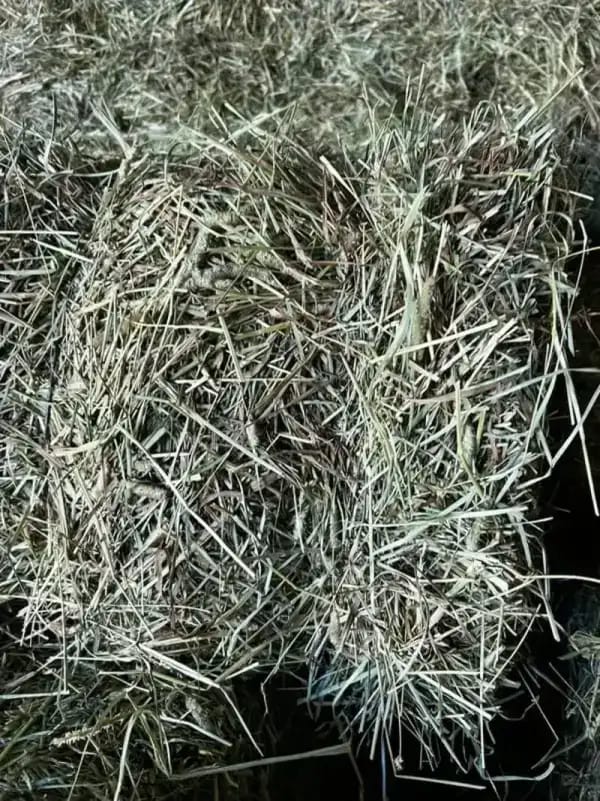
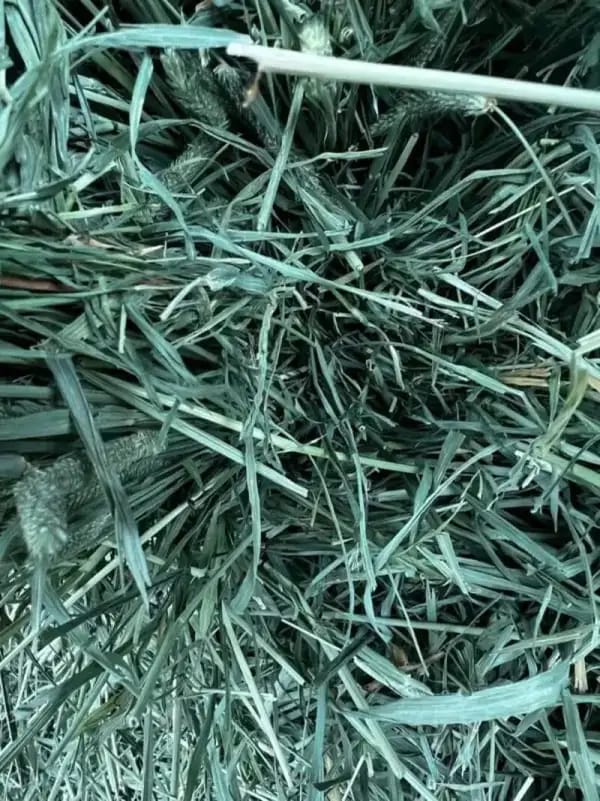
Timothy is easy to identify in the field, and that same look tells you a lot about quality. The seed head, that dense cylindrical spike at the top of the stem, is the clearest marker. No other common hay grass grows quite the same structure, so timothy is easy to pick out even in a mixed bale. The team showed this on TikTok: the seed head is how you visually confirm you are actually getting timothy.
Once you know it is timothy, judge it on three things you can see and feel:
- Color. You want a deep, bright green, not a faded yellow or brown bale. Green means it was cured well and kept out of the weather.
- Leaf and stem. Good timothy is soft, with fine stems and plenty of leaf. Coarse, prickly, stemmy hay is older and ranker, and your horse will pick through it and waste the rest.
- Smell and the middle of the flake. Pull a flake apart and check the center for dust or a musty smell. In Florida, that usually means the bale was stored under a tarp or in a closed, humid shed.
The practical payoff of getting this right is simple: when timothy is cut and cured correctly, horses eat all of it, leaves and stems both, without sorting. If your horse starts leaving more on the floor after you open a new bale, compare it to your last stock. Color, softness, and smell will usually point to the difference before you even run a test.
Why the cutting interval controls sugar
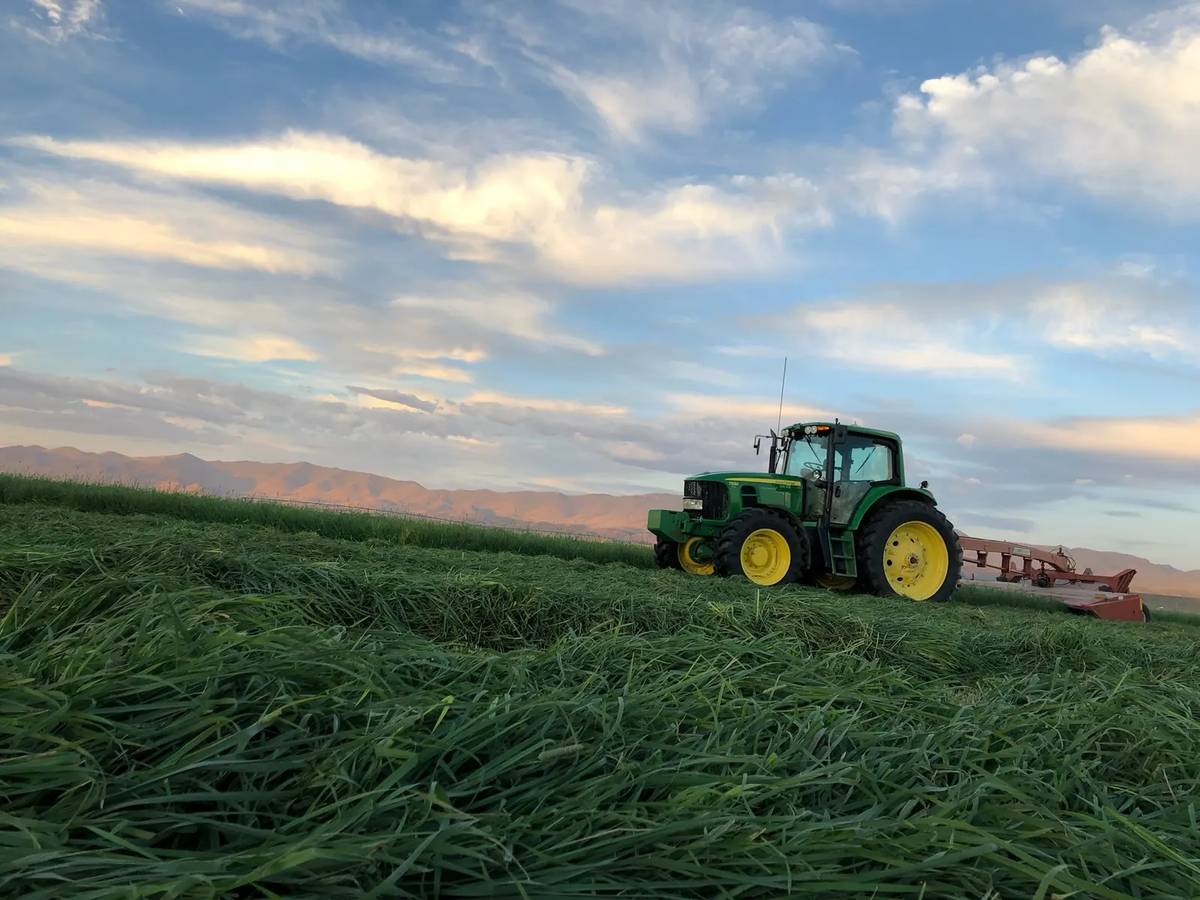
Here is the part most buyers never hear. The sugar in a timothy bale is tied directly to how long the plant grew between cuttings. Some regions can cut timothy every 45 days, and on that pace the hay can come back high in sugar even when it looks fine in the bale. The high desert valley where we grow ours cannot support that speed. The climate forces more time between cuttings, and we target roughly 70 days from one cut to the next. That extra growing time is what brings the sugar down to the low readings we see come back in testing.
One honest caveat: Mother Nature ultimately controls sugar. Growing conditions outside any farmer's hands can move the numbers regardless of the intended schedule. That is exactly why a lab test on the actual lot matters more than a general promise. The cutting interval tells you the grower's intent. The test result tells you what your horse will actually eat. We test our batches, so call the office and ask for the current lot numbers before you order.
First cut vs second cut timothy hay
The rule most horse owners have heard is that first cutting timothy is the lowest in sugar, and that is a reasonable starting point. Timothy 1st Cut benefits from winter dormancy and tends to run lower in nonstructural carbohydrates, though it is also coarser and more mature at harvest. Timothy 2nd Cut comes back finer, softer, and more palatable, which is why 2nd cut timothy hay is the one most of our customers reach for.
The catch is that second cut is also where the sugar risk is highest if it is cut too early. Second-cut timothy is not automatically higher in sugar than first cut. The outcome depends on the regrowth interval. Cut it on a compressed schedule and the sugar climbs. Cut it on a managed interval like our roughly 70-day target, and second cut can arrive at genuinely low sugar levels while keeping the soft, leafy texture horses prefer. Our Ultra Premium 2nd Cut Timothy is a hand-selected lot managed exactly this way: low tested sugar, fine stem, show-barn presentation. That outcome is not a default of all second-cut hay. It is the result of a specific schedule on a specific farm, and it is why we test the lot either way.
If you want the deeper version of how cuttings work across hay types, we wrote a full explainer on first, second, and third cut hay. For where our western timothy comes from and why Florida has to import it, see Nevada timothy versus Canadian versus Florida-grown hay.
Is timothy hay good for your horse?
For most adult horses in light to moderate work, timothy is the safe everyday forage. It is high in roughage, moderate in protein, and, when it is cut right, low enough in sugar for many easy keepers and metabolic horses to handle. Second-cut timothy sits nutritionally between coarse first-cut timothy and a richer legume like alfalfa, which is why it suits such a wide range of horses. That said, forage is a decision to make with your veterinarian, especially for a horse with EMS, insulin resistance, or Cushing's, where you want a lab number under roughly 10 percent ESC plus starch in hand. We are not going to make that call for you, but we will hand you the test data so you and your vet can. If you are still deciding which hay fits your horse, our guide on how to choose the right hay walks through it by horse type.
The timothy hay we carry, and what it costs
We keep several timothy options so you can match the cut to your horse and your budget. Prices are per bale at the yard:
- Ultra Premium 2nd Cut Timothy, $44.50. Our finest western second-cut timothy, hand-selected lot by lot for leaf-to-stem ratio. Show-barn hay.
- Timothy 2nd Cut, $40.50. Fine stem, leafy, low sugar, and highly palatable. The one most horse owners pick.
- Timothy 1st Cut, $38.50. Low sugar, fine stem, Nevada grown. A solid everyday choice for most adult horses.
- Timothy Alfalfa Mix, $39.00. A western blend that adds alfalfa's protein and calories for harder keepers.
- Timothy, Orchard, and Alfalfa Mix, $20.00. A three-hay Western Canadian blend at an accessible price.
Our timothy products carry published lab data, so the sugar and protein numbers are not a sales claim, they are on the page. If you want to understand what actually drives hay prices in Florida and why the cheapest bale rarely wins, we broke that down in what drives the price of hay bales.
Timothy hay delivery near Ocala and Gainesville
If you have been searching for timothy hay near me with delivery instead of a pickup lot, here is how it works. You can pick up at our Williston yard at 21091 NE US Highway 27, open Monday through Friday 9:00 to 5:30 and Saturday 9:00 to 2:30, or we can bring it to your farm. Delivery is flat-rate by zone from Williston:
- Zone 1, 0 to 25 miles: $35 per trip. This includes Ocala (about 22 miles), Dunnellon, Williston, Bronson, Reddick, and most of Marion County.
- Zone 2, 25 to 40 miles: $40 per trip. This includes Belleview, Alachua, and Hernando.
- Beyond 40 miles: custom quoted, so call with your address.
For boarding barns and larger operations, we also run a container-load program with free delivery inside 40 miles and free 30-day storage, which is worth a look if you are feeding more than about seven horses. The full rate card and how an order works are on our delivery page, and you can see the whole product lineup here.
Frequently asked questions
These answers ship in the page's FAQ schema as well, so they can surface directly in search and AI results.
What is the best timothy hay for horses? For most adult horses, a soft, leafy, deep-green second-cut timothy with a low tested sugar level is the best all-around choice. It is palatable enough that horses eat it clean and low enough in sugar for many easy keepers, as long as the lot is tested.
Is first cut or second cut timothy better? Neither is automatically better. First cut tends to run lower in sugar but coarser. Second cut is softer and more palatable and can be just as low in sugar when it is cut on a managed interval. Judge the actual lot by its test and its look, not the cut number alone.
How can I tell if timothy hay is good quality? Look for a deep bright green color, fine soft stems with plenty of leaf, the telltale cylindrical seed heads, and a clean smell with no dust or mold in the center of the flake. Good timothy gets eaten without sorting.
Is timothy hay low in sugar? It can be. Sugar depends on the cutting interval and growing conditions, not the name on the bale. Western timothy grown on a longer interval, like ours at roughly 70 days, tends to test low, but a lab result on the lot is the only way to know for sure.
Where can I buy timothy hay near Ocala or Gainesville? Farmers Direct Hay and Feed in Williston sells western timothy by pickup or delivery across Marion, Levy, Alachua, and Citrus counties, including Ocala, Gainesville, and Dunnellon. Call (352) 528-1255 or order through the website.
How much does timothy hay cost in Central Florida? At our yard, timothy runs about $38.50 to $44.50 per bale depending on the cut, with flat-rate delivery of $35 inside 25 miles and $40 from 25 to 40 miles.
The bottom line
Timothy hay quality comes down to one variable: the cutting interval. It shapes the sugar, the stem texture, the palatability, and whether your horse eats the whole bale or picks through it. Second-cut timothy can be genuinely low in sugar when the interval is managed, and it can run high when it is rushed, so the bale you want is one that has been tested, not just described. If you are in Central Florida and looking for tested timothy, stop by the yard on US Highway 27 in Williston or call (352) 528-1255 and ask what is in stock and what the current lot numbers show. We will give you the numbers straight. For real-time field documentation of how our timothy is cut and tested, follow @farmersdirecthayandfeed on TikTok.
From the Williston yard
Questions about the right hay for your horse?
Call Hailey at the Williston store, or browse the catalog and we will get a load on the truck. Hay delivery runs across North Central Florida.