How to Transition Your Horse to New Hay Safely
On this page
- Why You Should Never Switch Your Horse's Hay Overnight
- When a Hay Transition Matters (More Often Than You Think)
- How to Transition a Horse to New Hay: A 10 to 14 Day Plan
- What to Watch While You Switch Hay
- How Consistent, Lab-Tested Hay Makes Switching Easier
- Get Your Next Load Before You Run Out
- Frequently Asked Questions
Written by the team at Farmers Direct Hay and Feed, fifth-generation farmers in Williston, Florida who grow their own hay, feed their own horses, and test their western hay by field on a Fast Track 600 lab panel.
To transition a horse to new hay, blend the new forage in gradually over 7 to 14 days so the hindgut microbes can adjust and colic risk stays low. Take the full two weeks for big changes like grass to alfalfa or for sensitive and older horses, and keep some old hay on hand so you always have overlap to blend.
Why You Should Never Switch Your Horse's Hay Overnight
The most important rule in how to transition a horse to new hay is simple: never do it overnight. A horse's hindgut is a large fermentation vat run by billions of microbes that break down fiber, and those microbe populations are finely tuned to the forage the horse eats right now. Swap the hay abruptly and the microbes adapted to the old hay suddenly face the wrong substrate. Some die off, gas and acid production shift, and the result can range from loose manure and gas to a bout of colic.
A sudden change in hay type or batch is a well recognized colic risk factor, which is why veterinarians and equine nutritionists consistently recommend introducing new forage slowly. Grain gets most of the attention in diet talk, but forage makes up the bulk of what a horse eats, so a hay change is actually the bigger disruption to the gut.
Sensitive horses, older horses, easy keepers prone to laminitis and any horse with a history of colic deserve extra care. The good news: the fix is simple and free. Give the microbes time to adjust by blending old and new hay for a week or two. That one habit prevents most diet related digestive upsets and costs nothing but a little planning when you buy your next load.
When a Hay Transition Matters (More Often Than You Think)
Transition any time the forage meaningfully changes, not just when you jump from grass hay to alfalfa. The gut reacts to more than big category swaps.
Plan a transition for any of these:
- A new hay type, such as grass to legume or the reverse
- A different cutting of the same grass, since a leafy second cut is a different feed from a stemmy first cut
- A new batch or lot of the same product if it grew in a different field or region
- Any move that changes hay, like hauling to a show or bringing a new horse home to a different barn's forage
The size of the change sets the pace. Going from one lot of timothy to the next lot of the same timothy is a small step you can make over a few days. Going from plain grass hay to rich alfalfa, or from pasture to hay when the season turns, is a bigger step that deserves the full two weeks.
One reason we test the field and post the results on the product pages that carry a test is so you can see how different the new hay really is before you buy. If the protein and sugar numbers sit close to your current hay, the switch is easy. If they are very different, slow down. Not sure which forage fits your horse in the first place? Our guide on how to choose the right hay for your horse walks through it.
How to Transition a Horse to New Hay: A 10 to 14 Day Plan
Here is exactly how to transition a horse to new hay: raise the share of new hay a little every few days while lowering the old, keeping the total amount your horse eats the same. A reliable schedule looks like this:
- Days 1 to 3: about three quarters old hay, one quarter new
- Days 4 to 6: roughly half and half
- Days 7 to 9: about one quarter old, three quarters new
- Day 10 and on: all new hay
Feed the two hays mixed together in the same pile or net rather than old in the morning and new at night, so the gut sees a steady blend. For a sensitive horse, an older horse, or a very different new hay, stretch the whole plan to 14 days and spend longer at each step. There is no prize for rushing.
If at any stage you see softer manure or reduced appetite, hold at the current ratio for a few extra days before advancing, or drop back a step. This is exactly why it helps to still have some old hay on hand when the new load arrives. Ordering your next hay before you run out, rather than the day the barn goes empty, is the single easiest way to make transitions stress free. If you are also fine tuning quantities, our hay amount calculator guide shows how to size daily forage to your horse's weight.
What to Watch While You Switch Hay
A transition is also a monitoring period, so watch for signs the gut is handling the change well and catch trouble early. Start with manure: fecal balls should stay formed. A little softening can happen, but watery manure or a sudden drop in output means slow down.
Watch appetite and how much hay gets cleaned up versus left behind. Watch water intake too, because forage changes and cooler weather can both cut drinking, and less water plus more dry hay is a classic setup for impaction colic. Keep clean, fresh water available at all times, and consider offering a plain salt source to encourage drinking.
Note behavior and comfort. Pawing, looking at the flank, rolling or going off feed are colic warning signs that warrant a call to your vet, transition or not. Finally, track body condition over the following weeks, especially when moving to a richer or lighter hay, since a big forage change eventually shows up on the ribs and topline.
None of this needs special equipment, just a few seconds of attention at each feeding. Horses do best on routine, and a slow, watched transition gives you both the routine and the early warning system. Horses with metabolic conditions need even closer watching, and our feeding guide for metabolic horses covers the extra steps.
How Consistent, Lab-Tested Hay Makes Switching Easier
The hardest transitions happen when every load of hay is a mystery, cut from a different field by a different grower with no idea of its sugar or protein. You end up changing hay constantly without knowing it.
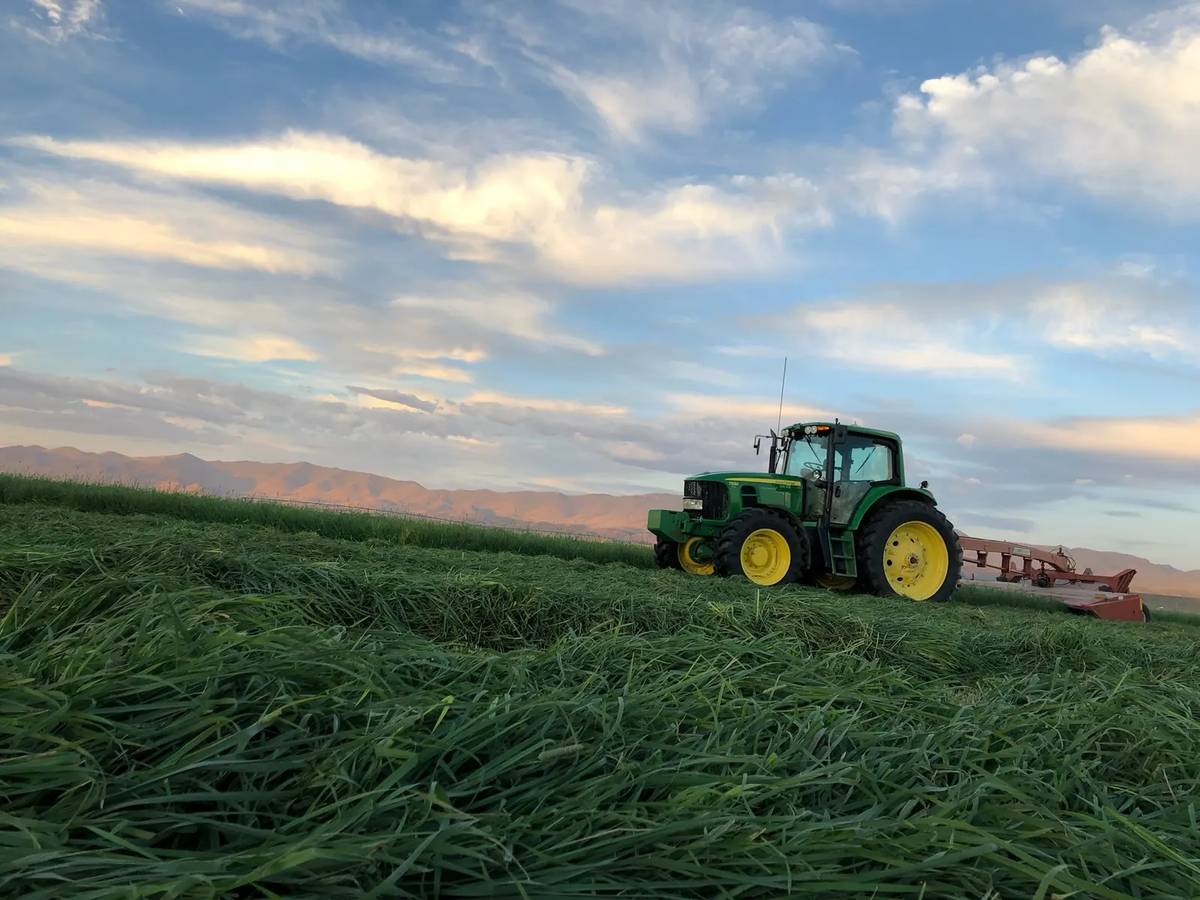
Our model is built to reduce that churn. We grow most of our grass and alfalfa on our own family farms in Nevada's high desert and bring it in direct with no middleman, so the same product stays consistent bale to bale and load to load. We are one of only two feed stores in Florida that grow the hay we sell.
We test the field, not each bale, with a Fast Track 600 panel, and the NSC, ESC, starch and protein numbers are posted on the product pages that carry a test. Before you switch, you can compare the new hay's numbers to what you feed now and pace the change accordingly.
Two practical habits round it out:
- Buy enough of one lot to last, so you are not forced into an abrupt change mid supply
- If a bale ever arrives coarser or simply different from what your horse is used to, bring it back and exchange it rather than pushing through a rough switch
Consistent, known hay is not a luxury for a sensitive horse. It is what lets you plan a calm transition instead of reacting to whatever showed up on the truck. You can browse our current hay and feed and check each lot's panel before you order. Between cuttings, our explainer on first, second and third cut hay helps you read the differences.
Get Your Next Load Before You Run Out
A smooth transition depends on overlap: having some old hay left when the new arrives, so plan the delivery a little early. We deliver across North Central Florida on a flat per trip rate. It is $35 within 25 miles of Williston, covering Ocala, Dunnellon and Newberry, and $40 out to 40 miles for towns like Alachua and Summerfield. Beyond 40 miles we quote a custom trip from $50.
There is no minimum order within 40 miles, so you can order a few bales of a new hay to start a transition without committing to a full load. Orders in by 3 p.m. Eastern generally arrive within 2 to 3 business days, so if you order when you are down to about a week of hay, you will have plenty of overlap to blend old and new.
You can also pick up at the Williston store Monday through Friday from 9 to 5:30 and Saturday from 9 to 2:30. As fifth-generation farmers who feed our own horses, we would rather help you plan ahead than sell you a load you have to rush onto your horse. See our hay delivery details and zones to schedule your next load, and buy a little early. It is the quiet secret behind every stress free hay change.
Frequently Asked Questions
How long should it take to transition a horse to new hay?
Plan on 7 to 14 days to transition a horse to new hay. Move faster only for small changes, like the next lot of the same hay, and take the full two weeks for a big change such as grass to alfalfa, or for a sensitive or older horse.
Do I need to transition between cuttings of the same hay?
Yes, it is wise to, especially between very different cuttings like a stemmy first cut and a leafy second cut, or between lots grown in different fields. A few days of blending is usually enough for a small change. Lab panels let you see how different the new lot actually is before you feed it.
Can changing hay cause colic?
Yes. A sudden change in hay type or batch is a recognized colic risk factor because it disrupts the hindgut microbes that ferment fiber. Blending old and new hay gradually over one to two weeks, plus steady water intake, greatly lowers that risk.
What if my horse gets loose manure during the switch?
Hold at the current old to new ratio for a few extra days, or drop back one step, until the manure firms up, then continue more slowly. If the manure is watery or the horse goes off feed or shows colic signs, call your vet.
How do I keep hay consistent so I am not always transitioning?
Buy enough of one lot to last, and choose a supplier that sells a consistent, lab tested product. We grow most of our hay on our own Nevada farms and test the field, not each bale, and we will exchange any bale that arrives off, so the hay stays predictable load to load.
From the Williston yard
Questions about the right hay for your horse?
Call Hailey at the Williston store, or browse the catalog and we will get a load on the truck. Hay delivery runs across North Central Florida.