Alfalfa Hay for Horses: A Feeding Guide
On this page
- What Makes Alfalfa Hay Nutritionally Different
- Is Alfalfa Good for Horses? The "Hot Horse" Myth
- How Much Alfalfa to Feed a Horse
- Alfalfa vs Grass Hay: Where Second Cutting Fits
- Orchard-Alfalfa Blend: A Middle Ground Worth Knowing
- Sourcing Quality Alfalfa in Florida: Why It Takes Work
- Frequently Asked Questions
Alfalfa is a nutritionally dense forage, and the common belief that it makes horses hot or hyperactive is not accurate. It fits hard keepers, growing horses, and horses in heavy work. For horses that do not need that much energy, second cutting timothy or an orchard-alfalfa blend covers most of the nutrition at a lower intensity. A forage test on your specific batch removes the guesswork from any feeding change.
Alfalfa hay for horses carries more myth than most forages. Horse owners in North Central Florida regularly come into our Williston store convinced that alfalfa will turn their quiet trail horse into something unrideable, or that it is only for hard keepers who need extra calories. Neither claim holds up. This guide draws from what we see delivering and testing hay across Marion, Levy, and Alachua counties: what alfalfa actually does nutritionally, why the "hot horse" story persists and why it is wrong, how to set a realistic feeding amount, how straight alfalfa compares to second cutting and orchard-grass blends, and what it takes to source a clean load in Florida.
What Makes Alfalfa Hay Nutritionally Different
The benefits of alfalfa for horses start with density. Alfalfa is a legume, not a grass, and that shows up across protein, energy, and mineral content. Exact values vary by cutting, field conditions, and how the hay was harvested and dried, so we do not quote a single number here. What is consistent is the pattern: alfalfa carries more protein and more energy than a typical grass hay, and more than second cutting timothy. A horse fed quality alfalfa is not short on forage nutrition.
That completeness is exactly why alfalfa suits hard keepers, growing horses, and horses in heavy work. A horse on a quality alfalfa-based diet tends to carry good body condition, which is what thorough forage nutrition does when the rest of the management program is in order.
Not every horse falls into that category, though. Easy keepers, horses with metabolic concerns, and horses in light work may do better on lower-energy forages. The sections below on second cutting and orchard-alfalfa blends cover those options directly.
Is Alfalfa Good for Horses? The "Hot Horse" Myth
There is a persistent belief in the horse world that feeding straight alfalfa makes a horse "hot," meaning hyperactive or hard to handle. Is alfalfa good for horses? Yes, and the claim that it causes that kind of behavior is overstated. Alfalfa is energy dense, and that energy has to go somewhere, but an under-worked horse can act up on any rich forage. The hay is not the unique culprit the myth makes it out to be. We dig into this in detail in our does alfalfa make horses hot guide.
We have watched horses go a couple of weeks without being ridden while on an alfalfa diet and then work calmly when asked. That is consistent with what good forage nutrition and a fitting management program produce. Horses that process alfalfa well and are in the right training or management program stay quiet.
What drives the myth is most likely misattribution. A horse with more energy than its workout uses, or a management program that does not match its energy level, may act up regardless of what hay is in the net. The forage is not the variable. Management is. A few practical points:
- Horses that handle alfalfa well and are in a fitting program perform calmly when called upon.
- If your horse seems difficult after a feed change, that conversation belongs with a veterinarian and a trainer, not automatically with a swap to a different bale.
- Alfalfa is nutritionally dense, and that energy needs somewhere to go. A horse in regular work will use it.
How Much Alfalfa to Feed a Horse
How much alfalfa to feed a horse depends on the individual: body size, workload, what else is in the diet, and the overall management program. There is no universal prescription, and the example here is a reference point, not a formula to copy.
One feeding setup we have seen work is a single flake of alfalfa in the morning and two flakes at night. That split fits a specific horse in a specific program. Yours may need a different ratio, a higher or lower total, or a mix of alfalfa and grass hay rather than straight alfalfa. Different horses pull in different directions:
- Hard keepers and horses in heavy work often do well with a higher alfalfa share in the overall diet.
- Easy keepers usually do not need the full energy load that straight alfalfa delivers.
- For horses where alfalfa is more energy than they need, second cutting hay is the practical step down.
A forage test on your specific batch gives you actual protein and energy numbers. If you are working with a veterinarian or equine nutritionist, those numbers replace guesswork with a real foundation for the feeding plan.
Alfalfa vs Grass Hay: Where Second Cutting Fits
Alfalfa vs grass hay is not a yes-or-no choice. Second cutting timothy occupies a useful middle position: it provides a lot of the same nutrition as alfalfa without the full energy package. Second cutting carries less protein and energy than alfalfa, but more than first cut timothy, which is what makes it a practical middle ground for horses that need more than a mature grass hay but do not need straight alfalfa.
Here is the general positioning (these are nutritional tiers, not specific percentages, which vary by lot):
- Protein: Second cut timothy runs lower than alfalfa and higher than first cut. Alfalfa runs highest of the three.
- Energy density: Second cut sits between first cut and alfalfa. Alfalfa is the densest.
- Typical use: Second cut suits moderate work and horses that need less than alfalfa. Alfalfa suits hard keepers, heavy work, and growing horses.
Batch testing on the specific hay you are buying gives you the real figures. For horses where alfalfa is too much, second cutting is the natural alternative.
Orchard-Alfalfa Blend: A Middle Ground Worth Knowing
The orchard-alfalfa blend has its own niche. The blend we carry runs roughly 60 percent orchard grass to 40 percent alfalfa. The orchard grass brings softness and palatability, the alfalfa brings nutritional density, and the result covers what neither plant does as well on its own.
Palatability is a real differentiator. Horses tend to eat the orchard-alfalfa mix down to nothing, which is a reliable quality signal, and it works well in a hay feeder where horses eat at their own pace.
What makes this blend harder to produce than straight alfalfa or straight orchard grass is a moisture conflict at baling time. The two plants have different ideal conditions for baling, so when the field is right for one, it works against the other. Baling at the wrong moisture causes alfalfa leaf loss, and the leaf is where much of the nutrition lives. That is why it is worth evaluating each load on its own merits.
Pro tip: When you size up an orchard-alfalfa bale, look for good leaf retention on the alfalfa portions and bales that break into clean, consistent flakes. A bale that crumbles and sheds material along the edges was likely baled at the wrong moisture. Ask to see a flake before committing to a full pallet from a new supplier.
Sourcing Quality Alfalfa in Florida: Why It Takes Work
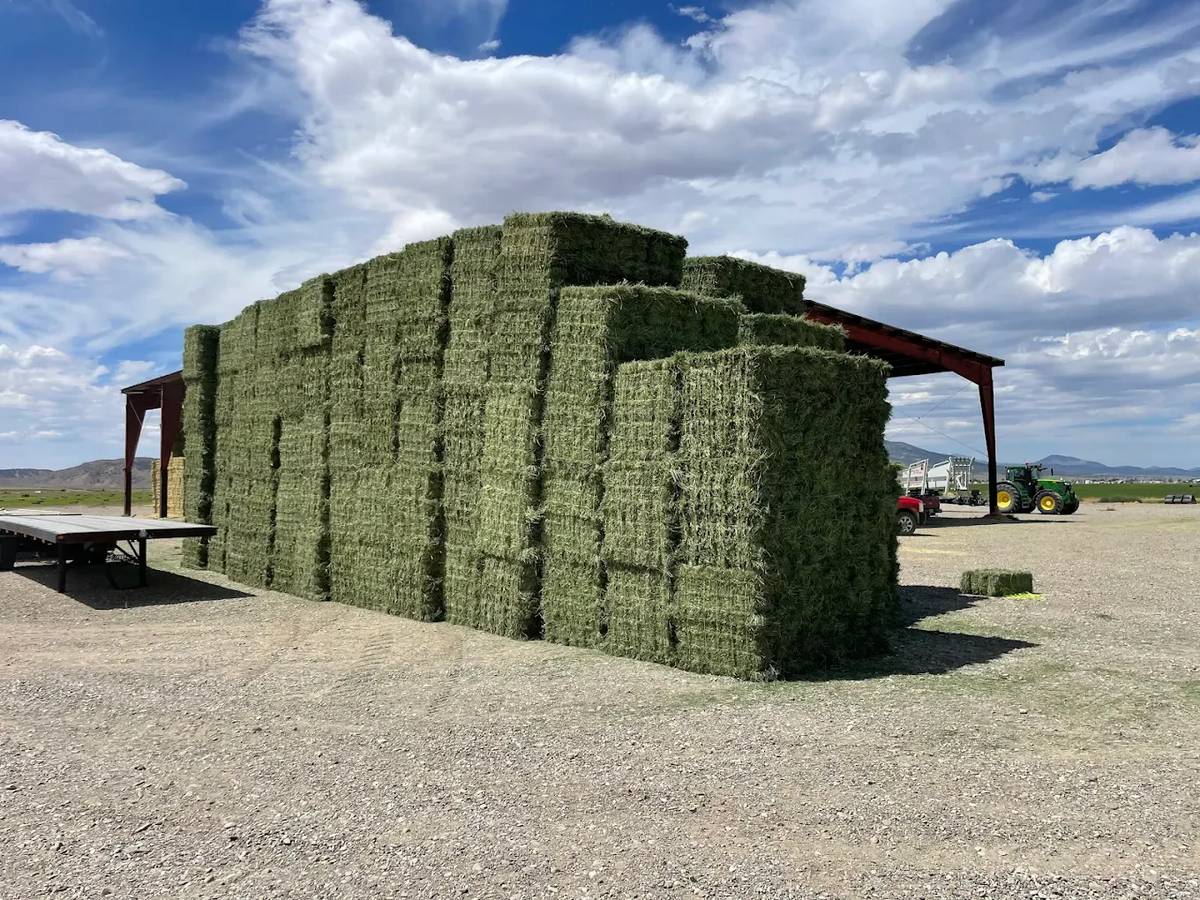
Good-quality alfalfa hay is increasingly difficult to source, and every clean load comes from a distance. The alfalfa we stock comes from Nevada and arrives in rail containers at our Williston facility, and we deliver it directly to customers' farms. Sourcing from the western United States is common for alfalfa because the dry climate supports consistent curing, which is hard to achieve in a humid place like Florida.
Availability is not guaranteed week to week. Stock depends on what came in and whether it met our standards at unload. Calling ahead before you need it avoids the situation where you are short on hay and the current load just sold out. We can tell you exactly what is in stock before you make the drive or put in a delivery request.
If you are not sure where your horse fits in all of this, call the store or stop by in Williston. If you are in Marion, Levy, or Alachua County, ask about delivery directly to your farm.
Frequently Asked Questions
Does feeding alfalfa really make horses hot or difficult to handle? This is one of the most common concerns we hear, and the short answer is no. The idea that alfalfa makes horses hot is a widely held myth, but experience does not support it. A horse on alfalfa that is in the right training or management program will not become hyperactive or hard to handle. If a horse seems hot, look first at the training program and overall management before blaming the hay. Alfalfa is nutritionally dense, and that energy needs somewhere to go. A horse in regular work will use it.
How does alfalfa compare to second cutting hay nutritionally? Second cutting hay sits in the middle ground between first cut timothy and alfalfa. It delivers a lot of the same nutrition as alfalfa but does not match the full energy package, and it carries less protein. For horses that do well on quality forage but for whom straight alfalfa would be too much, second cutting is a practical middle step: more nutrition than first cut without committing to the full richness of alfalfa.
What is an orchard-alfalfa blend, and is it a good fit for horses? An orchard-alfalfa blend combines orchard grass and alfalfa in one bale. The blend we carry runs roughly 60 percent grass and 40 percent alfalfa, giving you the softer texture of orchard grass alongside the nutritional contribution of alfalfa. It works well in a hay feeder, and horses tend to eat it cleanly. One thing worth knowing: baling this mix is harder than baling a single species because the two plants have conflicting moisture requirements, and getting the timing wrong drops the alfalfa leaves. When it is done right, the hay flakes nicely and holds together well.
How many flakes of alfalfa should I feed my horse each day? There is no single number that fits every horse. Body weight, workload, body condition, and what else is in the diet all affect how much to feed. As a reference point, one approach is a morning feeding of one flake and an evening feeding of two flakes, but that is a starting point, not a rule. Because alfalfa is nutritionally dense, it is worth knowing the actual nutrient profile of the hay you are feeding, so a forage test on the specific lot is the right place to start before making adjustments.
Where does your alfalfa come from, and can you deliver it to my farm? Good-quality alfalfa is increasingly difficult to source, and availability can shift by season. The alfalfa we carry comes from Nevada and arrives at our facility in rail containers. From there, we deliver directly to your farm. Sourcing from the western United States is common for alfalfa because the dry climate supports consistent curing, which is harder in a humid region like Florida. If you are planning for a steady supply, check in on availability early rather than waiting until you run low.
Is alfalfa nutritionally complete enough to be my horse's main forage? Alfalfa is a nutritionally dense forage, and a horse eating quality alfalfa is not lacking from a forage standpoint. That said, no single hay covers every element of equine nutrition, and we are not the right source for veterinary or nutritionist guidance. If your horse has a specific health condition, or you are managing a demanding breeding or performance program, an equine veterinarian or a qualified nutritionist is the right resource for a complete feeding plan. What we can say is that alfalfa delivers a meaningful nutritional load, which is why it has such a long track record as a primary forage.
From the Williston yard
Questions about the right hay for your horse?
Call Hailey at the Williston store, or browse the catalog and we will get a load on the truck. Hay delivery runs across North Central Florida.