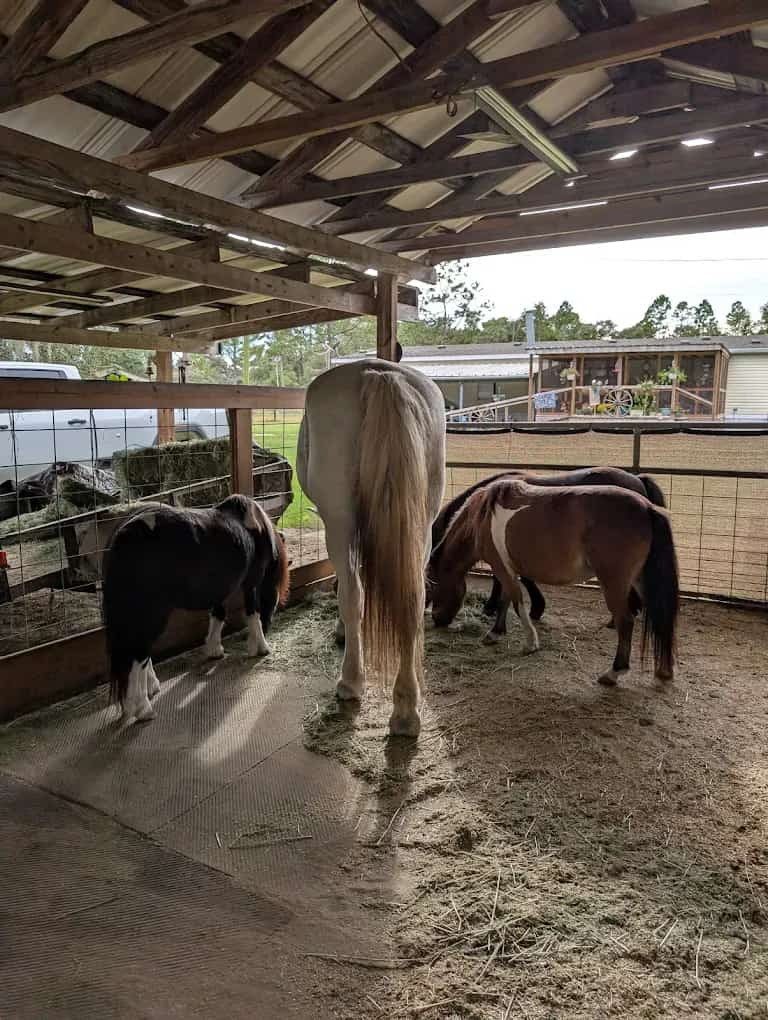
Hay Belly in Horses: Causes and How to Fix It
On this page
A hay belly is that low, round, distended gut on an otherwise not-fat horse, and it is not the same thing as being overweight. It usually comes from a combination of high-fiber, low-quality forage, a weak topline, parasites, and sometimes age or pregnancy. The instinct to cut hay is usually wrong and can make things worse. The real fixes are better-quality forage with adequate protein, a deworming and dental plan through your vet, and topline-building exercise. If a belly appears suddenly or with other signs, call your vet.
Plenty of horses carry a low, round, sagging belly while the rest of them looks lean, and their owners are told the horse is just fat and needs less feed. That is usually the wrong read. A hay belly is not the same as an overweight horse, and treating it like one, by cutting hay, often makes it worse. This guide covers what actually causes that distended gut and what genuinely turns it around.
Hay Belly Is Not Fat
The tell is where the roundness sits and what the rest of the horse looks like. A hay belly hangs low along the underline while the horse can still show ribs, a poor topline, or a lean neck and hindquarters. A truly overweight horse, by contrast, carries fat more evenly: a cresty neck, fat over the ribs and tailhead, pads behind the shoulder. If the barrel looks big but you can still feel ribs and the topline is weak, you are almost certainly looking at a hay belly, not obesity.
That distinction matters because the fixes are opposite. An overweight horse needs fewer calories. A hay belly usually needs better nutrition and more support, not less feed.
What Causes a Hay Belly
It is usually more than one thing at once:
- High-fiber, low-quality forage. A gut kept full of coarse, stemmy, low-nutrition hay ferments a large, heavy load of bulk while the horse still comes up short on the protein and energy that build muscle. The belly gets big while the topline stays thin. As our co-owner Trennis likes to point out, chasing the cheapest, stemmiest bale often costs more in the end, and a hay belly on a hard-fed horse is one of the ways that shows up.
- Weak topline and abdominal muscle. The muscles along the back and under the belly are what hold the gut up. A horse that is unfit, older, or has never built a topline lets the barrel sag, which reads as a hay belly even when the diet is not terrible.
- Parasites. A heavy worm burden classically causes a pot-bellied look, most visibly in young horses but in any horse on a poor deworming program.
- Age and pregnancy. Older horses lose muscle tone and often develop a hay belly as the topline weakens. A pregnant mare carries a low, round belly for the obvious reason, which is not a problem to fix.
How to Actually Fix It
Upgrade the forage, do not cut it. The single most common mistake is pulling hay to shrink the belly. That starves the topline further and can make the sag worse. Instead, move to better-quality hay that delivers real nutrition per pound: a leafier second cutting, or adding a protein-rich forage. Our alfalfa and peanut hay both bring more protein than a plain grass hay, which supports muscle rather than just filling the gut. If you are not sure what your current hay is actually providing, this is exactly what a forage test answers.
Build the topline. Muscle is what holds the belly up, and muscle comes from work. Hill work, poles, backing up, and consistent under-saddle or in-hand exercise strengthen the topline and abdominal muscles over weeks and months. Nutrition supplies the building blocks, exercise does the building.
Get the parasite and dental plan right. Work with your veterinarian on a deworming program based on fecal egg counts rather than guesswork, and keep teeth floated so the horse actually chews and digests its hay. Both are common, fixable contributors.
Give it time. A hay belly built over months does not disappear in a week. Better forage plus topline work shows over a couple of months, not overnight.
When to Call the Vet
A hay belly that has been there a while and comes with a weak topline is usually a management issue you can work on. But call your veterinarian if the belly appears suddenly, grows quickly, or comes with any other sign such as weight loss elsewhere, dullness, a fever, or reduced manure. A rapidly enlarging abdomen is not a hay belly to manage at home. For hard keepers where you are trying to add condition the right way, our guide on hay for hard keepers covers the feeding side.
Frequently Asked Questions
Is a hay belly just a fat horse? No. A hay belly is a low, round, distended gut on a horse that can still be lean elsewhere, with a weak topline. A fat horse carries fat evenly, including a cresty neck and pads over the ribs and tailhead. The fixes are opposite.
Should I feed less hay to get rid of a hay belly? Usually not. Cutting hay tends to make it worse by further weakening the topline. Better-quality forage with adequate protein, plus exercise, is the fix, not less feed.
Can better hay really change the shape of my horse? Not by itself and not overnight, but paired with topline work it makes a real difference over a couple of months. Forage supplies the protein and energy that build muscle. Exercise builds it.
My young horse has a pot belly. Is that worms? It can be. A pot-bellied look in a young horse is a classic sign of a parasite burden. Talk to your vet about a fecal egg count and a proper deworming plan rather than guessing.
The Bottom Line
A hay belly is a signal, not a weight problem. It usually points to low-quality forage, a weak topline, parasites, or age, and the cure is better nutrition and more muscle, not less hay. Upgrade the forage, build the topline, get the vet involved on worms and teeth, and give it a couple of months. If you want help choosing a higher-protein hay to support the change, come by the Williston store or give us a call.
From the Williston yard
Questions about the right hay for your horse?
Call Hailey at the Williston store, or browse the catalog and we will get a load on the truck. Hay delivery runs across North Central Florida.