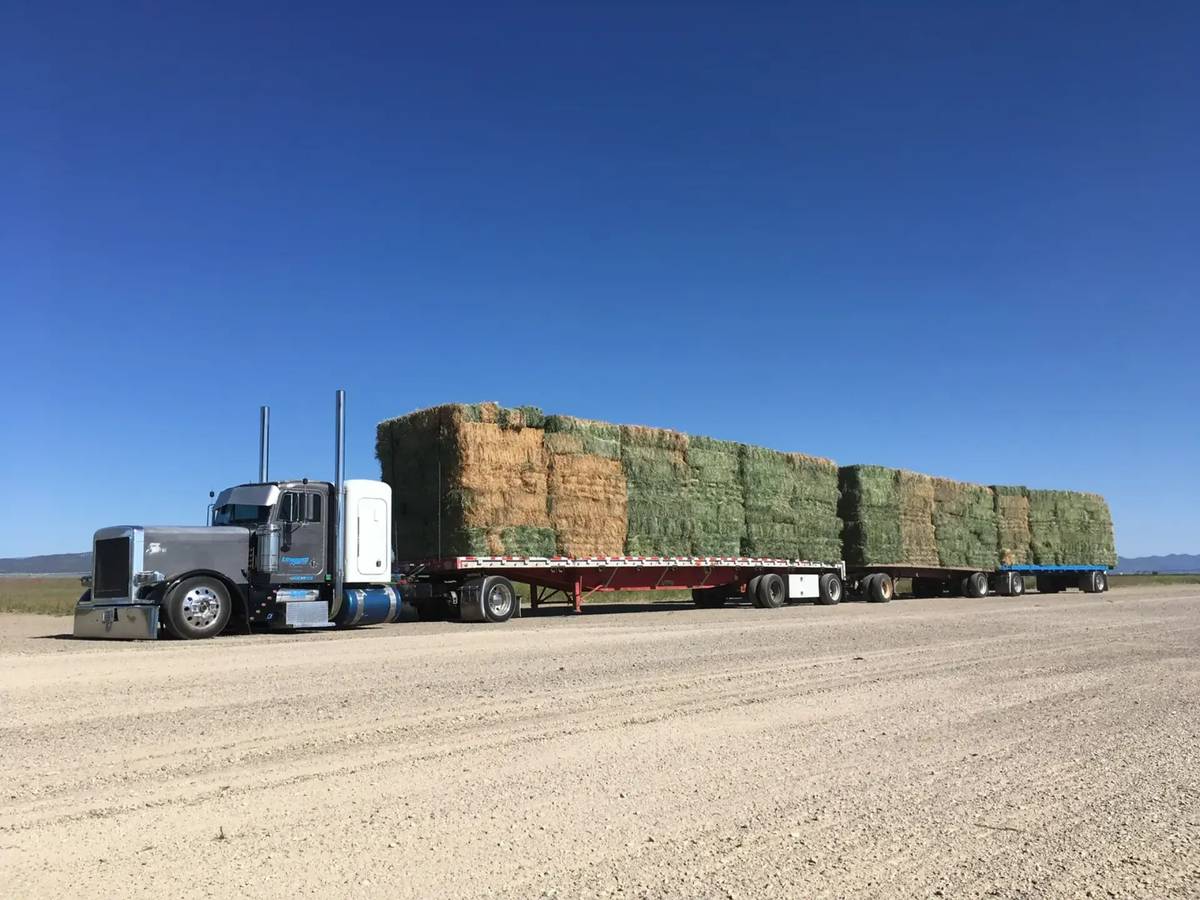
Coastal Hay for Horses in Florida
On this page
Coastal bermuda is the cheap, locally baled grass hay that feeds most Florida horses, and it works fine for many of them. The main caution is an elevated risk of ileal impaction colic, which you lower with slow introduction, clean water, some long-stem forage, and avoiding dusty or overly mature bales. Horses with colic history or specific nutrition needs do better on consistent, lab-tested western hay.
If you keep horses anywhere in North Central Florida, you already know coastal hay. It is the green, fine-stemmed grass hay stacked at nearly every feed store and baled on farms all over Marion, Levy, Alachua, and Citrus counties. For a lot of owners, coastal hay for horses is simply what you feed because it is here, it is affordable, and the horses eat it. That is all true. But coastal also has a reputation that makes some folks nervous, and the honest answer is somewhere in the middle. So let's talk through it the way we would across the counter at the yard in Williston: what coastal is, where it shines, where it can bite you, and how to buy it so your horse stays healthy.
What Coastal Bermuda Hay Actually Is
Coastal bermudagrass is a warm-season grass that thrives in the Florida heat and humidity. It is the workhorse forage of the Southeast, which is exactly why coastal bermuda hay dominates the local market. Farmers can cut it multiple times in a season, it bales well in our climate, and it ships short distances, so the price stays friendly. When it is cut at the right maturity and cured properly, coastal is soft, leafy, and palatable, and plenty of horses do great on it for years.
A few things to understand about coastal as a feed:
- It is a grass hay, so it tends to be lower in protein and calories than legume hay like alfalfa.
- Quality swings a lot from field to field and cutting to cutting, especially because most local coastal is never lab tested.
- Finer, softer coastal looks nicer to us but can carry more risk for horses (more on that below).
- It is usually the most budget-friendly hay you will find in our area.
None of that makes coastal bad. It makes coastal variable. And variability is the part you can actually manage as a buyer.
Is Coastal Hay Good for Horses?
This is the question we get most, and the fair answer is yes, for many horses, with eyes open. Is coastal hay good for horses across the board? Not automatically, and not for every horse. It is good forage when it is quality hay, fed correctly, to a horse that handles it well. It becomes a problem when the hay is poor, the feeding is sloppy, or the individual horse has a history that calls for something more predictable.
Think of it like this. A healthy adult horse with a normal gut, steady access to water, and a consistent diet can do beautifully on good coastal. A horse that has colicked before, struggles to hold weight, or has a metabolic condition is a different conversation, and that conversation should include your veterinarian.
The Coastal Hay Colic Connection
Here is the caution you have probably heard, and it is worth taking seriously without panicking. Coastal bermuda is well documented as being associated with an elevated risk of ileal impaction colic in horses. The ileum is the last section of the small intestine, and certain features of coastal hay can make it more likely to pack up there.
The risk tends to climb when several factors stack together:
- Very fine-stemmed or overly mature coastal that the horse does not chew thoroughly.
- Abrupt diet changes, like switching hay sources overnight.
- Poor water intake, which is common when the weather cools or water gets stale.
- Dusty, moldy, or poorly cured bales.
Notice that most of those are things you can control. The coastal hay colic risk is real, but it is not a coin flip, and it is not a reason to swear off the hay if it works for your horse. It is a reason to feed thoughtfully. As always, if your horse shows any signs of colic, call your vet right away. Nothing in a blog post replaces a hands-on exam.
How to Feed Coastal Hay for Horses Safely
If coastal is your everyday hay, a handful of simple habits go a long way toward keeping your horse comfortable. None of this is exotic. It is the same guidance you will hear from most veterinarians and extension folks around here.
- Introduce it slowly. Any time you change hay or open a new batch, transition over a week or two rather than all at once.
- Keep clean water in front of them at all times. Hydration keeps forage moving through the gut. Watch water intake closely in cooler months when horses tend to drink less.
- Feed some long-stem alternative forage alongside it. Mixing in a coarser, long-stem hay gives the gut more structure to work with and can reduce impaction risk.
- Inspect every batch. Skip anything dusty, musty, moldy, or off-smelling. Good hay smells sweet and clean and is free of excessive dust.
- Do not overdo the finest, softest cuttings. They feel premium, but the very fine, very mature material is part of the risk picture.
Do all of that and you have removed most of the controllable risk. That is the whole point: informed feeding, not fear.
When It Makes Sense to Upgrade
Coastal works for a lot of horses, so this is not about scaring anyone off it. But there are clear situations where stepping up to a consistent, lab-tested hay is the smarter call. You know your horse, and a few profiles tend to benefit:
- A horse with any history of colic, where predictability matters more than saving a few dollars.
- A hard keeper that struggles to maintain weight on grass hay alone.
- A metabolic horse where you need to know the sugar and protein numbers, not guess at them.
- An owner who simply wants the nutrition on paper so they can feed with confidence.
The frustrating thing about most local coastal is that it is untested, so you are buying blind on nutrition. The protein, the fiber, the sugars: all unknown unless someone pulled a sample and sent it off. For some horses that uncertainty is fine. For others it is exactly the wrong way to feed.
That is the gap we built Farmers Direct Hay & Feed around. We bring in lab-tested western hay: timothy, orchard grass, alfalfa, and teff grass, and we test the field, not each bale. So when your vet asks what is in the hay, you have a real answer instead of a shrug. We deliver across North Central Florida, and if you just want to try a bale before committing, you can grab single bales at our Williston yard. The idea is simple: give local horse owners a known, consistent option when their horse needs the numbers to add up. If your horse is metabolic, our low-sugar teff guide walks through why tested numbers matter even more.
Coastal or Western: How to Decide
You do not have to pick a side forever. Plenty of owners feed quality grass hay day to day and lean on tested western hay for the horses or the seasons that call for it. The right choice depends on the individual animal, your budget, and what your veterinarian recommends. If your horse is healthy and thriving, good coastal fed well may be all you need. If your horse has a sensitive gut, special nutritional needs, or a colic history, the consistency of lab-tested hay earns its keep.
Either way, the move is the same: buy quality, feed it smart, watch your horse, and keep your vet in the loop.
Frequently Asked Questions
Is coastal hay good for horses? For many healthy horses, yes. Good-quality coastal that is fed correctly is solid everyday forage. The cautions come with poor-quality bales, abrupt feeding changes, and horses that have a colic history or special nutritional needs. When in doubt, ask your veterinarian about your specific horse.
Why is coastal bermuda hay linked to colic? Coastal is associated with an elevated risk of ileal impaction colic, which happens in the small intestine. Fine or overly mature stems, low water intake, and sudden diet changes all raise that risk. Feeding it slowly, with constant clean water and some long-stem forage, helps reduce it.
How can I lower the coastal hay colic risk? Introduce new hay gradually over a week or two, keep clean water available at all times, feed a coarser long-stem forage alongside the coastal, and reject any dusty, moldy, or musty bales. These simple habits address most of the risk you can actually control.
Is fine, soft coastal hay better? Not necessarily. Very fine and very mature coastal looks appealing, but it is part of the impaction risk picture because horses may not chew it as thoroughly. Quality cut at the right maturity and cured cleanly matters more than how soft it feels.
When should I switch from coastal to western hay? Consider tested western hay if your horse has colicked before, is a hard keeper, has a metabolic condition, or if you simply want the nutrition documented. A horse that thrives on good coastal does not necessarily need to switch. Your vet can help you make the call.
Does Farmers Direct Hay & Feed sell coastal hay? We focus on western hay (timothy, orchard grass, alfalfa, and teff grass), tested by field rather than by bale, which gives owners a consistent, known-nutrition option. We deliver across North Central Florida and sell single bales at our Williston yard if you want to try before you buy.
From the Williston yard
Questions about the right hay for your horse?
Call Hailey at the Williston store, or browse the catalog and we will get a load on the truck. Hay delivery runs across North Central Florida.